Why Strategy Games Are the Perfect Gateway to Discovering Engaging RPG Games
Introduction: The Allure of Gaming
When it comes to gaming, we often think of immersive worlds, character development, and complex narratives. Strategy games, often characterized by their need for tactical thinking and resource management, have a unique way of captivating players. Not only do they build cognitive skills, but they can also lead users down the rabbit hole of RPG games, which are equally engaging in their own right.
The Intricacies of Strategy Games
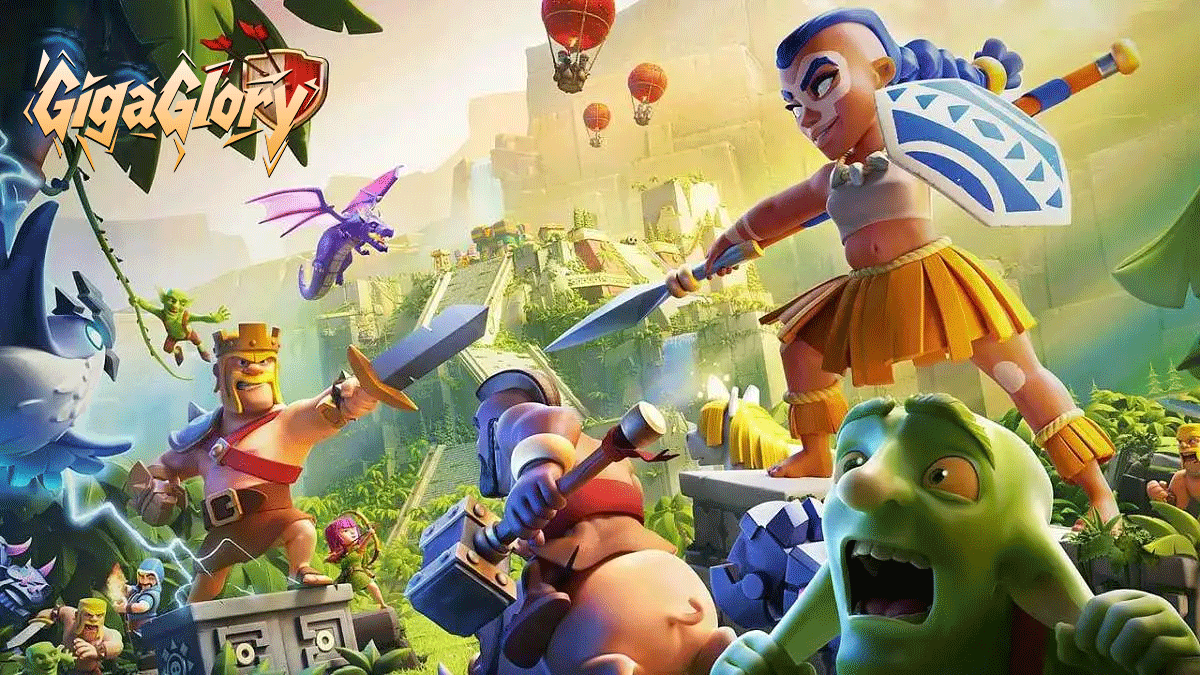
Strategy games require players to think ahead, plan their moves, and adapt their strategies to win. Whether it's a turn-based game like Delta Force Steam or a real-time strategy title, players are often drawn into a robust framework that simulates real-world scenarios. Here's a quick rundown of what makes strategy games so appealing:
- Cognitive Challenges
- Resource Management
- Realistic Scenarios
- Multiplayer Dynamics
The Transition from Strategy Games to RPGs
But how exactly do strategy games act as a "gateway" to RPG games? The answer lies in their shared elements. Tactical approaches in games often require players to devise strategies, much like in RPGs where planning out character progression and party dynamics can be crucial to overcoming challenges.
1. Building Tactical Thinking
Both genres require players to strategize, albeit in different ways. In strategy games, the focus is typically on positioning and immediate tactics. In RPGs, however, the tactical focus shifts primarily toward character development and long-term strategy. This overlap helps gamers develop skills that are transferable across genres.
2. Character Development in RPGs
One of the main attractions of RPGs is deep character narratives. Unlike the protagonists in many strategy games, who are often generic leaders or generals, RPGs offer richly developed characters with backstories, motivations, and growth arcs. Players drawn in by the tactical elements of strategy games often find themselves engaging with these narratives in RPGs.
3. Diversity of Gameplay Experiences
From EA Sports FC 25 PS5 price to fantasy RPGs, each game offers a different experience. The variety allows players to explore different ways of interacting with gameplay mechanics, thus easing the transition into RPGs where quests can vary from simple tasks to epic storylines.
4. Immersive Worlds
Both strategy games and RPGs provide deep and engaging worlds for players to explore. The painstaking detail in these worlds not only hooks players into the gameplay but also leads them to appreciate the storytelling that RPGs offer.
5. Social Interaction and Community
Playing strategy games often involves teamwork and cooperation with other players, an aspect that translates beautifully into the multiplayer frameworks of RPGs. This social immersion can introduce players to communities where they can easily transition into exploring RPG titles in a collaborative setting.
6. Examples of Cross-Genre Titles
Several games encapsulate this hybrid model effectively and offer both strategy and RPG elements. Below is a table showcasing key titles:
| Game Title | Genre | Key Features |
|---|---|---|
| XCOM 2 | Strategy/RPG | Character classes, story-driven missions, team tactics |
| Fire Emblem: Three Houses | Strategy/RPG | Character development, tactical battles, relationships |
| The Banner Saga | Strategy/RPG | Decision-making impact, beautiful art style, story-rich |
7. Engaging with the Stories
One vital element that RPGs thrive upon is narrative depth. Strategy games may not always offer the same storytelling experience, but they often include lore and world-building that can draw players into further exploration of related RPGs. The engagement with a game's narrative can then encourage players to seek out more compelling stories in video games.
8. Expanding Your Gaming Horizons
The experience garnered from strategy games often makes players yearn for richer narratives and further expansion of their tactical gaming repertoire, which RPGs provide in spades. Learning about characters, lore, and quests can expand one's appreciation for different gameplay styles.
9. Conclusion: The Perfect Gateway
In conclusion, strategy games play an essential role in gaming culture. They hone keen strategic thinking, offer an enticing community experience, and serve as a springboard for players to dive into the vast universe of RPG games. Every strategic move encountered in a game can lead to a newfound appreciation for narratives and character development, making it easier to explore the worlds found in RPGs. As gaming continues to evolve, understanding how different genres intertwine may enhance the overall gaming experience for players new and seasoned alike.